

Birth Control Pills Can Cause Blood Clots
POSTED: 5:00 pm EST January 30,
2006
UPDATED: 5:38 pm EST January 30,
2006
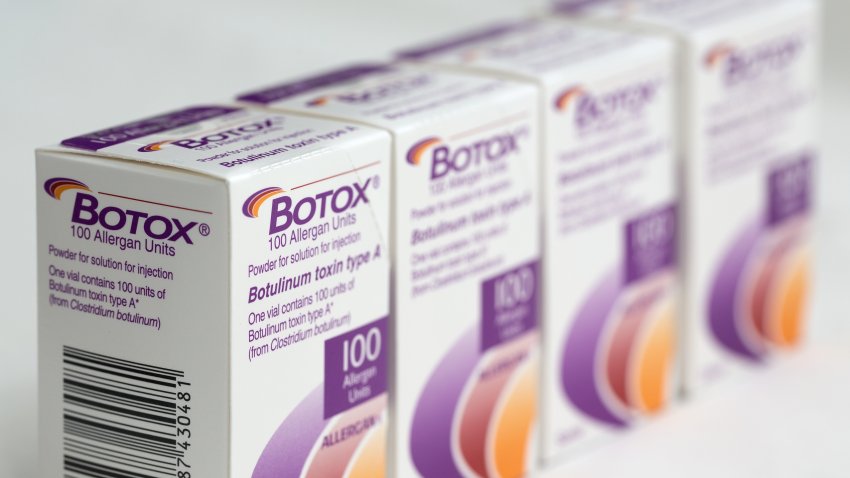
Women take the pill for birth control, irregular cycles, menopause and other reasons, but there is one problem with the pill that is taking some women by surprise.Statistics show that 16 million American women take birth control pills. For most of those women it is perfectly safe, but some women can develop potentially life-threatening blood clots on the pill."I have never smoked in my life. I am under 35 years old; there is no family history of blood clots. I was not a candidate. I absolutely couldn't believe it," said Amanda Levine."I was in a meeting and a blurry spot in my vision came up," Tara Bauer said.It turned out to be a blood clot."The risks for clots happens once the woman gets on the pill and is highest within the first year of being on the pill," said Dr. Stephan Moll, a blood clot expert."So, physicians are usually aware of the risks. They may not mention it to the woman as much as they should," Moll said.The risk is even higher for women who fly.According to a study from the Johns Hopkins Student Health and Wellness Center, "Women who are on oral contraceptives have a 14 times higher risk for blood clots during long plane flights than women who are not on birth control pills."The Merck Manual says that when having surgery, "a woman must discontinue oral contraceptives a month before major elective surgery and not take them again until a month afterward."One woman's experience with blood clots made an impact on her family doctor."Because we do think in the back of our minds is there some underlying blood disorder, some clotting disorder. But when you find out that's not the case and you see it you say, 'Wow, this could happen to anyone,'" said Dr. Penny Tenzner.The type of pill can also make a difference. Third-generation pills are more likely to cause problems, because they contain desogestrel, a different kind of hormone than older pills."We know that pills increase that risk three- to five-fold in general, but that some pills -- particularly the third-generation pills -- increase the risk even more than the earlier second-generation pills," Moll said.For an easy way to remember the warning signs of dangerous blood clots, think ACHES:Abdominal pain
Chest pain
Headache (severe)
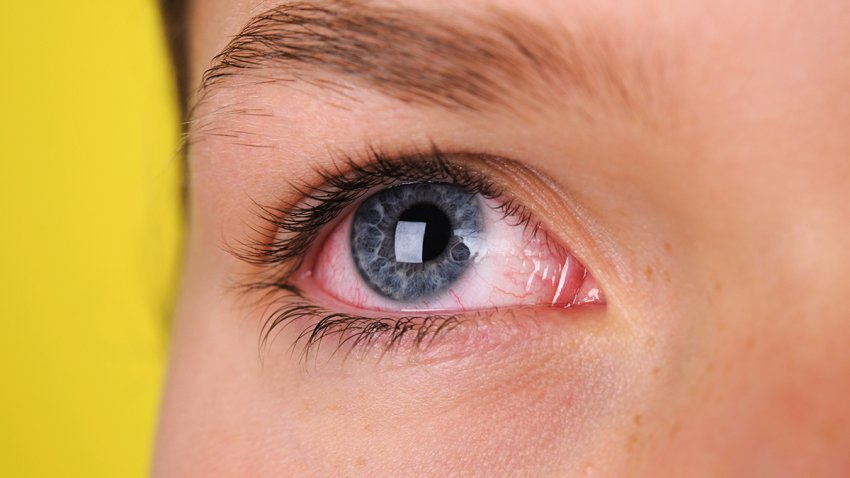
Eye problems (visual disturbances)
Severe localized leg pain
Notify your doctor right away if you have any of these symptoms. Drug companies say the risk of death from any birth control method is less than the risk from childbirth except for pill users over 40 or smokers over 35.
Chest pain
Headache (severe)
Eye problems (visual disturbances)
Severe localized leg pain
Notify your doctor right away if you have any of these symptoms. Drug companies say the risk of death from any birth control method is less than the risk from childbirth except for pill users over 40 or smokers over 35.
Copyright 2006 by NBC10.com. All rights reserved. This material may not be published, broadcast, rewritten or redistributed.