

More Eating Disorders Seen In Older Women
Eating Disorders Association Seeing Growing Trend
POSTED: 2:03 pm EST December 30,
2005
UPDATED: 2:17 pm EST December 30,
2005
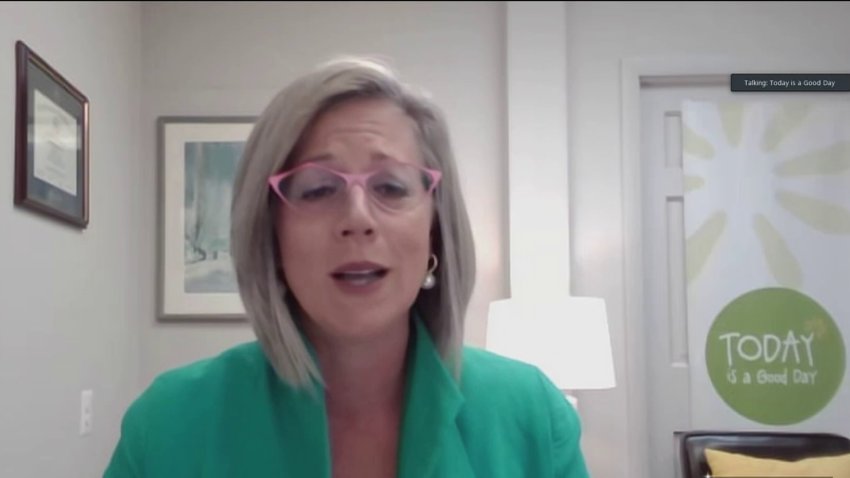
They're skipping meals, binging, purging, and losing too much weight, but these anorexics aren't your typical teens. There is a new group of women at risk of developing a dangerous eating disorder.These days, even women hitting menopause are dying to be thin."We see people in their 30s, 40s, 50s, 60s, and we've seen a few 70-year-old people," said Beth Mayer, of the Massachusetts Eating Disorders Association.Mayer said that her association has been seeing a growing trend of older women with diet disorders, such as anorexia and bulimia."Our society does not accept that bodies will change as they age, that women in their 30s and 40s are trying to have bodies of a 20-year-old," Mayer said.Nancy Martin struggled with anorexia well into her 30s."I didn't have the freedom to just kind of be who I was. Dating was a problem because there were many times that I didn't feel comfortable eating out in public," Martin said.For many, the disorder begins when they're teens and sticks with them as they get older. But for others, just hitting menopause may cause an eating disorder to appear -- seemingly out of the blue."It's really not very acceptable to have a changing body and live in a little larger body, which happens as women start going through the changes," Mayer said.The problem is that many older women are reluctant to enter therapy because they are worried they'll be stuck in a group of teenagers. But Mayer said that isn't the case anymore."They can come in and be with people their own age. We have groups for people in their 30s, 40s and 50s," Mayer said.It took Martin two decades to finally beat her disorder."There isn't like a magic cure. It's a long process," Martin said.Now, Martin urges other older women who are still struggling to get the help they need.According to statistics: Five million to 10 million women and girls suffer from anorexia and/or bulimia, in the United States.
Approximately 1 million men and boys suffer from anorexia and/or bulimia in the United States.
Twenty-five million people suffer from compulsive overeating, in the United States.
Eighty-six percent of people with eating disorders report the onset of the illness by the time they reach the age of 20.
The death rate for eating disorders is approximately 20 percent.
An estimated 85 to 95 percent of people with anorexia nervosa and bulimia and 65 percent of people with binge eating disorders are female.
Approximately 80 percent of women want to lose weight.
Approximately 1 million men and boys suffer from anorexia and/or bulimia in the United States.
Twenty-five million people suffer from compulsive overeating, in the United States.
Eighty-six percent of people with eating disorders report the onset of the illness by the time they reach the age of 20.
The death rate for eating disorders is approximately 20 percent.
An estimated 85 to 95 percent of people with anorexia nervosa and bulimia and 65 percent of people with binge eating disorders are female.
Approximately 80 percent of women want to lose weight.
Copyright 2005 by NBC10.com. All rights reserved. This material may not be published, broadcast, rewritten or redistributed.