
EPA investigates public parks contaminated with ‘elevated levels' of lead in NJ neighborhood
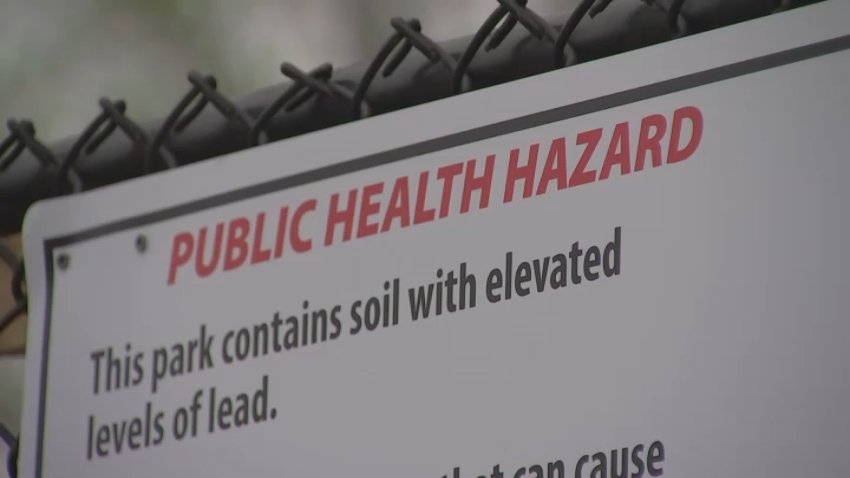
The EPA is warning residents about elevated levels of lead in three New Jersey parks as they investigate what caused the issue.
The EPA is warning residents about elevated levels of lead in three New Jersey parks as they investigate what caused the issue.
As an employee of the U.S. Postal Service, Len Barchanowicz led an active life and had few health problems. His neck pain was due to an orange-sized tumor.
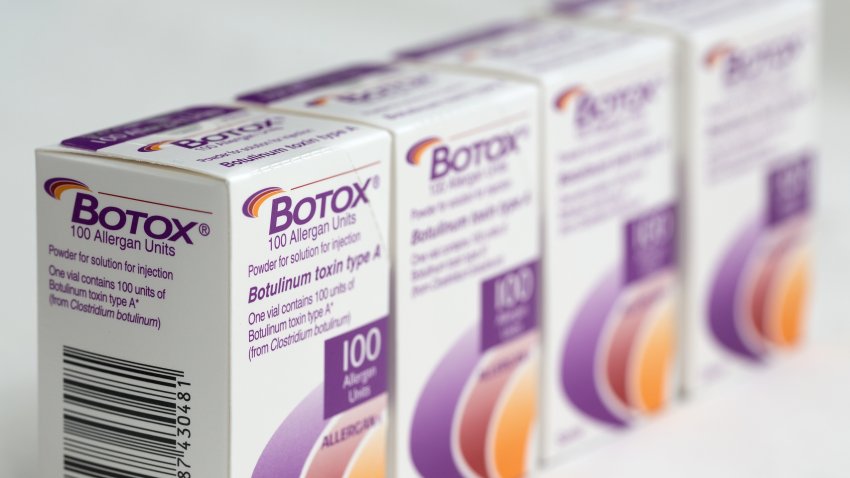
At least 19 women in nine states reportedly became sick after they got Botox, either having gotten the injections from people who were never licensed or trained to give the shots or received them in “non-healthcare settings,” including homes or spas, the Centers for Disease Control and Prevention said Monday.

Eggs, potatoes, coffee: These kitchen staples, among others, have gained bad reputations, nutrition experts say, but don’t necessarily deserve it. In fact, registered dietitians, doctors and nutrition professors are increasingly advising people to eat them.
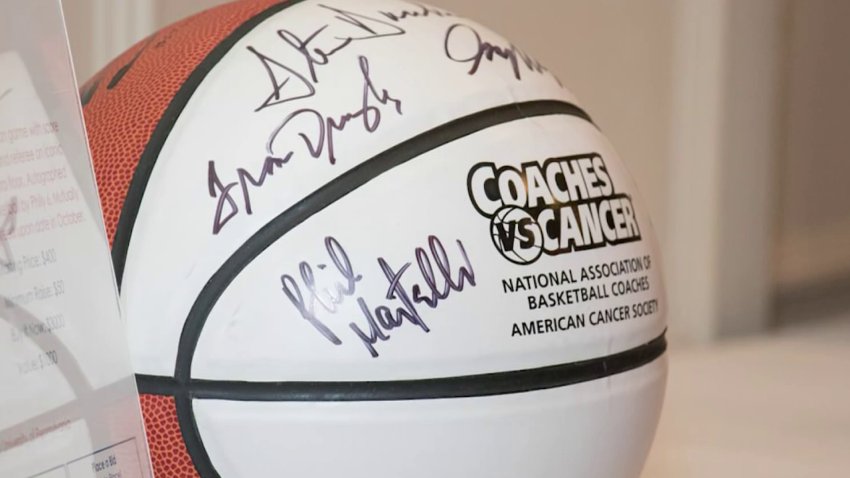
Fran Dunphy and Phil Martelli join NBC10’s Lucy Bustamante in studio to talk about what inspired them to get involved with t the Coaches Vs. Cancer initiative over two decades ago.
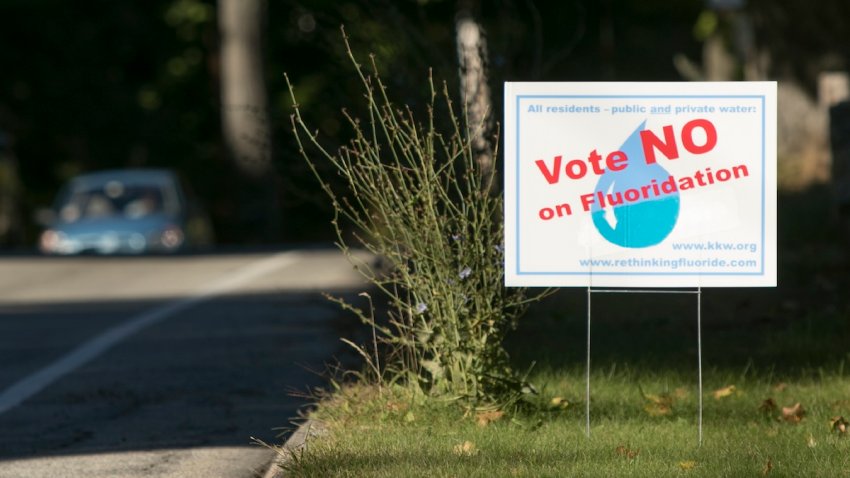
From Oregon to Pennsylvania, hundreds of communities have in recent years either stopped adding fluoride to their water supplies or voted to prevent its addition.

Rodney McLeod and his wife Erika speak to Philly Live’s Aunyea Lachelle about their plans to host their I am Youth leadership summit in the city.
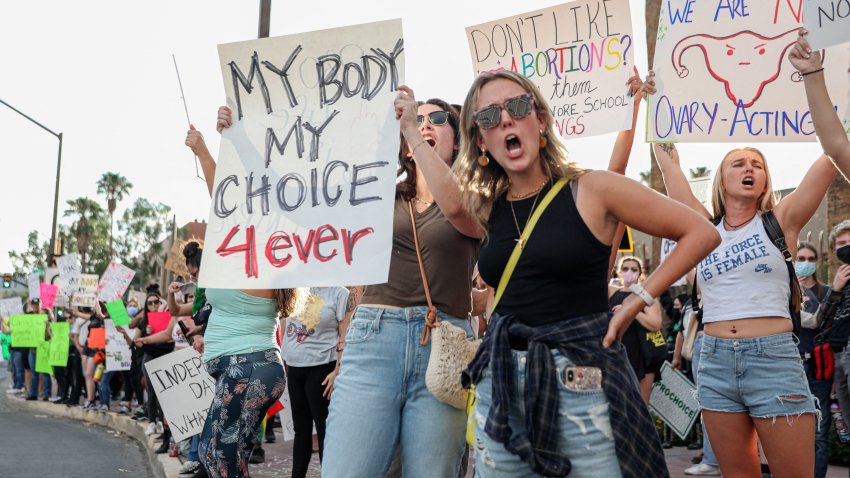
The pre-statehood law dates back to 1864 and mandates two to five years in prison for anyone aiding an abortion, except if the procedure is necessary to save the life of the mother.
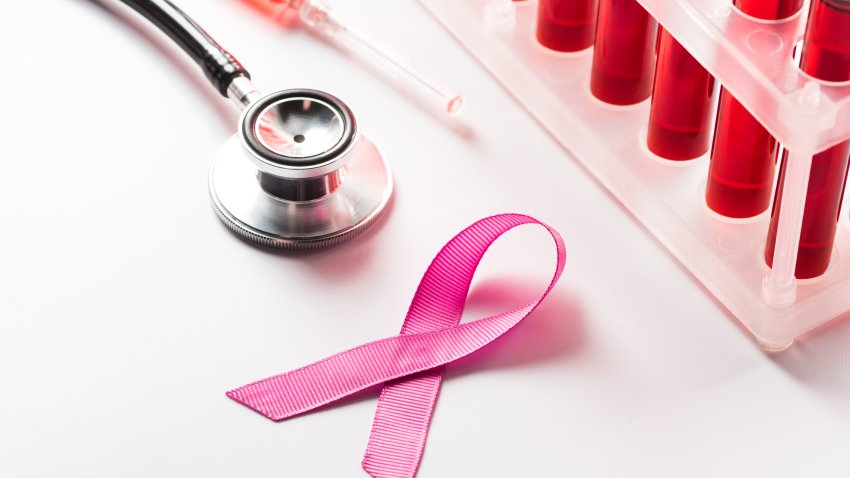
A Penn Medicine doctor was awarded a $100,000 research grant to study targeted treatment of an aggressive form of breast cancer.
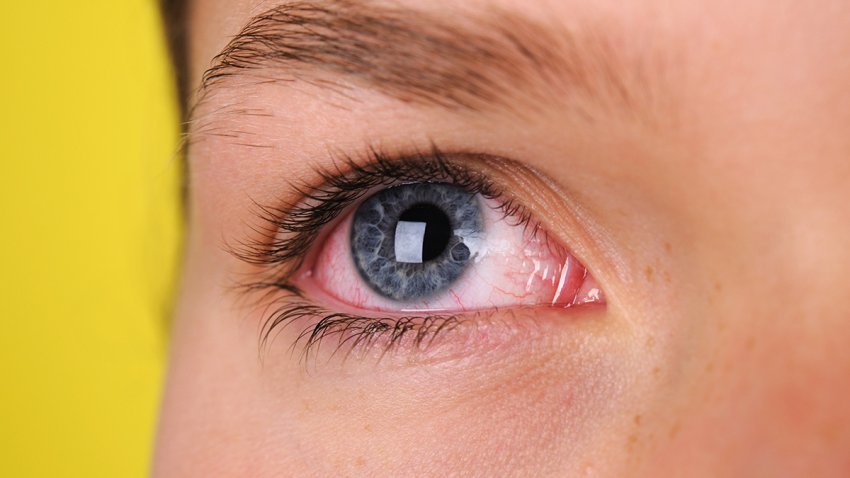
As syphilis cases surge in the U.S., few people know the sexually transmitted disease can endanger vision, doctors say.
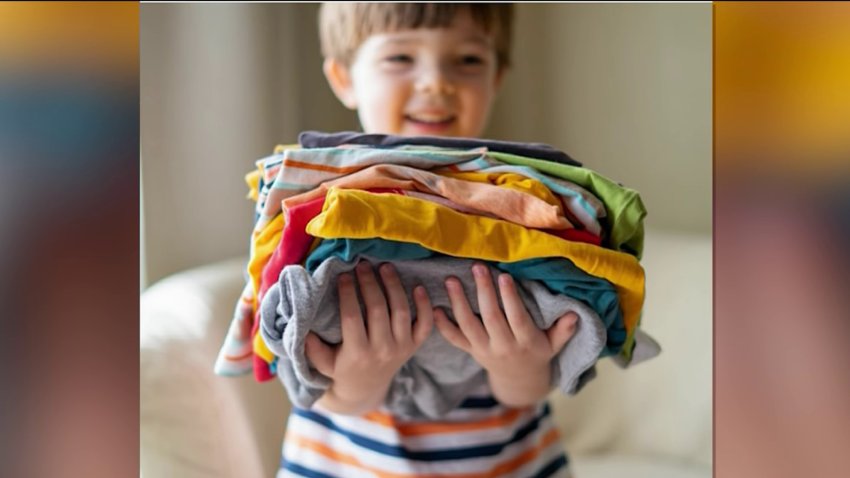
Michal Smith, executive director of Cradles to Crayons, joined NBC10’s Lucy Bustamante to talk about children’s clothing insecurity and how people doing so-called “spring greening” can help.

Community activist Alim Howell chats with NBC10’s Lucy Bustamante about upcoming events aimed at steering young people in the Philadelphia region away from violence as summer break nears.

To kick off World Autism Month, the Philadelphia Eagles Autism Foundation took over the “TODAY” show to shine a light on autism awareness and opportunities for children on the spectrum.
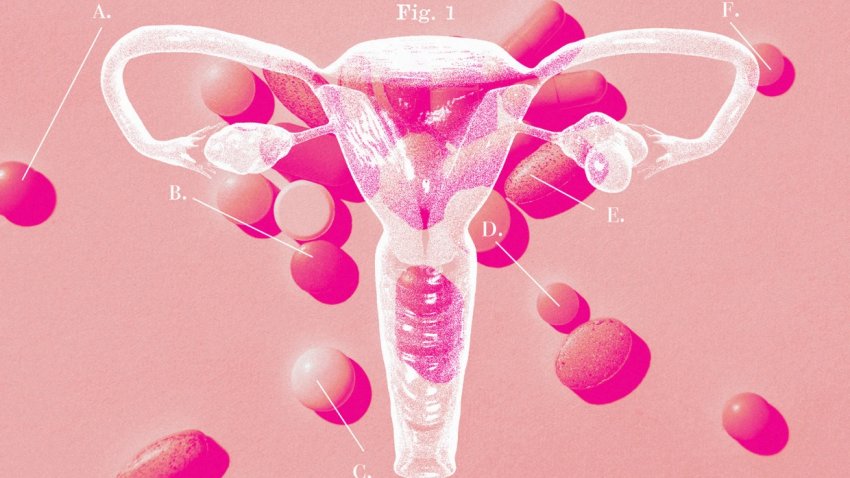
Polycystic ovary syndrome was first identified some 90 years ago, yet there are no FDA-approved drugs to treat the complex hormonal condition.