
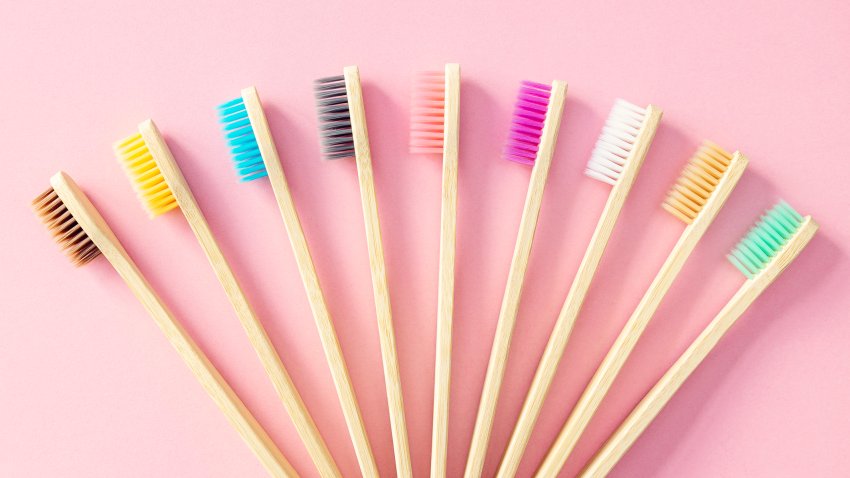
When should you not brush your teeth? Dentist goes viral for sharing 3 surprising situations
In a viral TikTok, a dentist shares three situations in which you shouldn’t brush your teeth. Do other dentists agree?
In a viral TikTok, a dentist shares three situations in which you shouldn’t brush your teeth. Do other dentists agree?
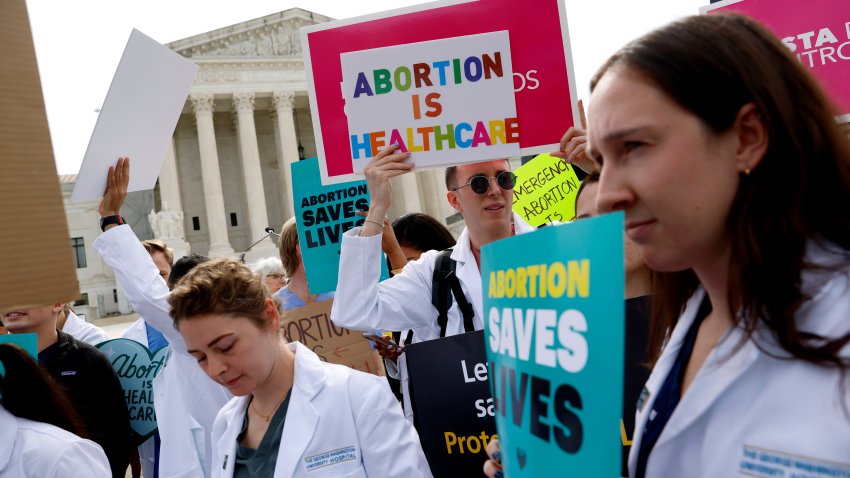
The Justice Department says abortion care must be allowed in emergencies that seriously threaten a woman’s health under a federal health care law that requires hospitals accepting Medicare to provide emergency care regardless of patients’ ability to pay.

Philadelphia on Friday announced a $110 million settlement with pharmacy chain Walgreens for what the City said was “the company’s role in supplying and perpetuating the opioid addiction crisis in Philadelphia.”
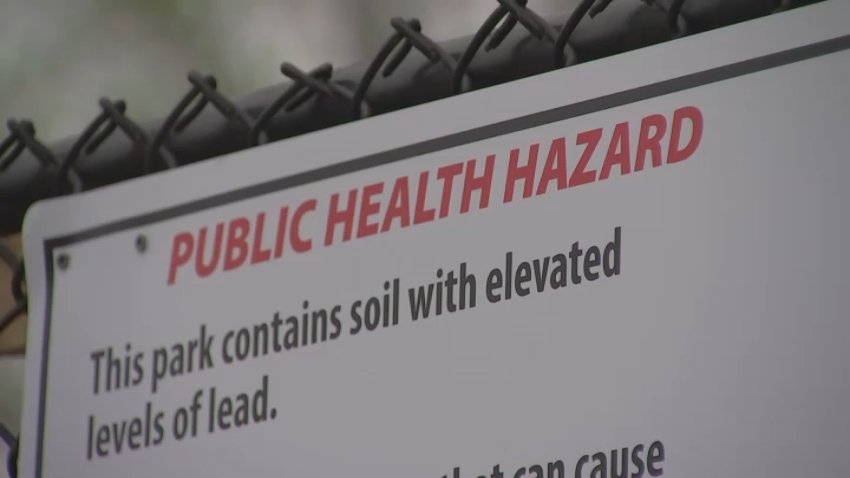
The EPA is warning residents about elevated levels of lead in three New Jersey parks as they investigate what caused the issue.


The city of Camden in New Jersey is working to increase sign-ups for health care to thousands of children who lost coverage when pandemic-related programs ended. NBC10’s Shaira Arias has more on what families need to know.

As an employee of the U.S. Postal Service, Len Barchanowicz led an active life and had few health problems. His neck pain was due to an orange-sized tumor.
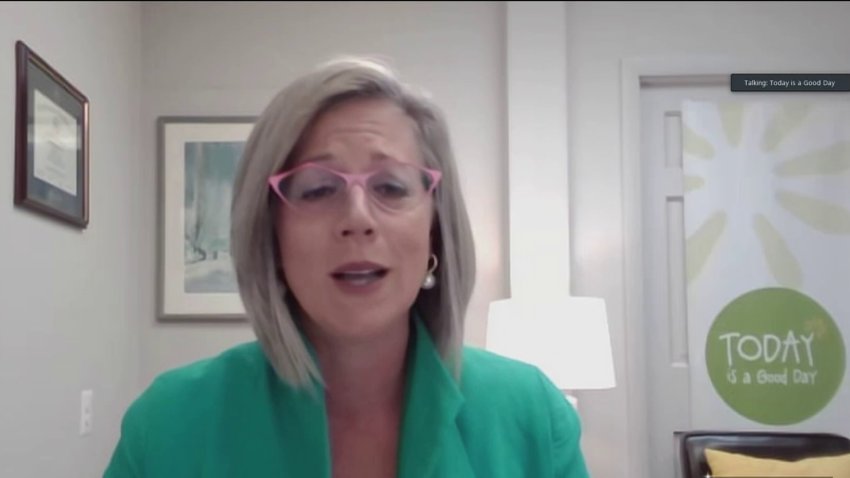
The families of NICU babies find community and support through Today is a Good Day. Martha Sharkey joins NBC10’s Brenna Weick to talk about the upcoming Miracle Ball Gala at the Franklin Institute.

Experts are weighing in on how often you need to vacuum your floors. The time of year and carpet or hardwood impact how much dirt and grime might be on the ground.
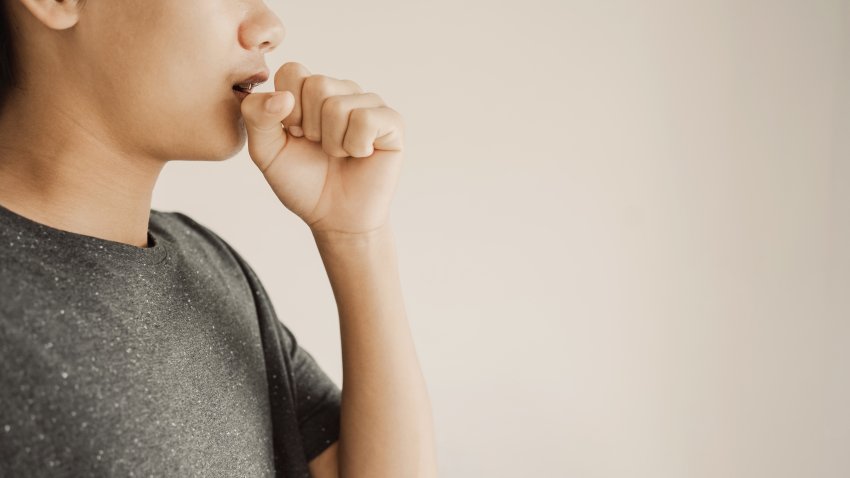
The Montgomery County Office of Public Health has issued a whooping cough advisory due to an ongoing outbreak at Plymouth Whitemarsh High School.
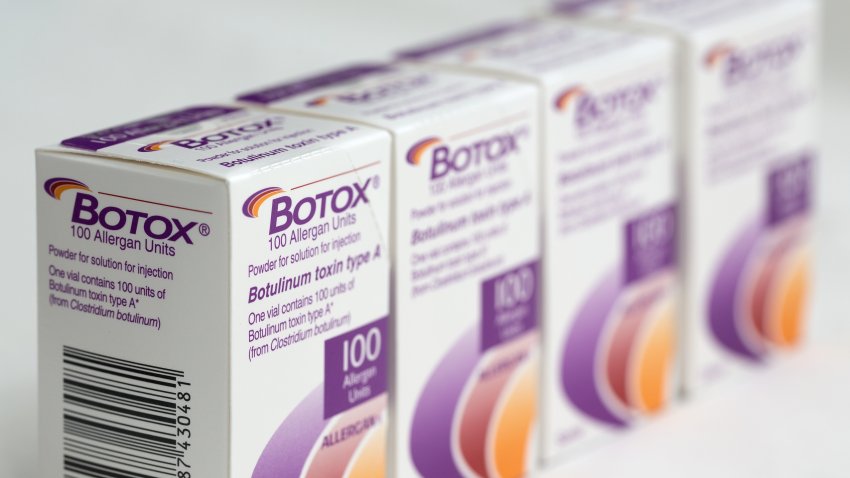
At least 19 women in nine states reportedly became sick after they got Botox, either having gotten the injections from people who were never licensed or trained to give the shots or received them in “non-healthcare settings,” including homes or spas, the Centers for Disease Control and Prevention said Monday.
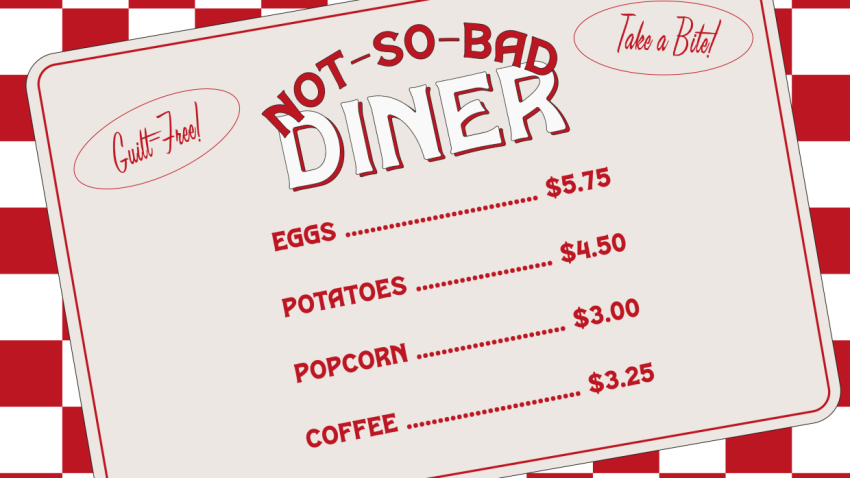
Eggs, potatoes, coffee: These kitchen staples, among others, have gained bad reputations, nutrition experts say, but don’t necessarily deserve it. In fact, registered dietitians, doctors and nutrition professors are increasingly advising people to eat them.
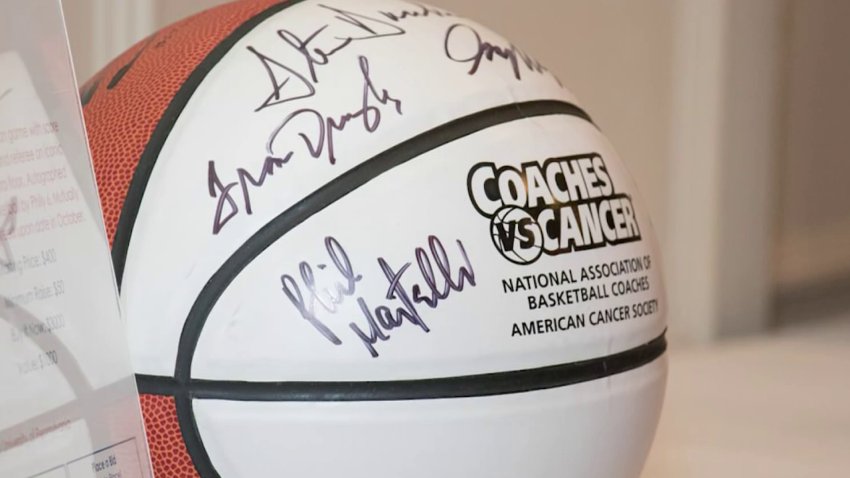
Fran Dunphy and Phil Martelli join NBC10’s Lucy Bustamante in studio to talk about what inspired them to get involved with t the Coaches Vs. Cancer initiative over two decades ago.